


 癌症的基本特征包括细胞增殖、血管生成、迁移、凋亡逃避机制和细胞永生等。找到癌症发生过程中这些通路的关键标记物和对应的抗体用于检测至关重要。
 为您推荐一个泛素化位点预测神器——泛素化分析工具,可以为您的蛋白的泛素化位点作出预测和评分。
 细胞自噬受体图形绘图工具为你的蛋白的细胞受体结合位点作出预测和评分,识别结合到自噬通路中的蛋白是非常重要的,便于让我们理解自噬在正常生理、病理过程中的作用,如发育、细胞分化、神经退化性疾病、压力条件下、感染和癌症。
YB1 Rabbit mAb

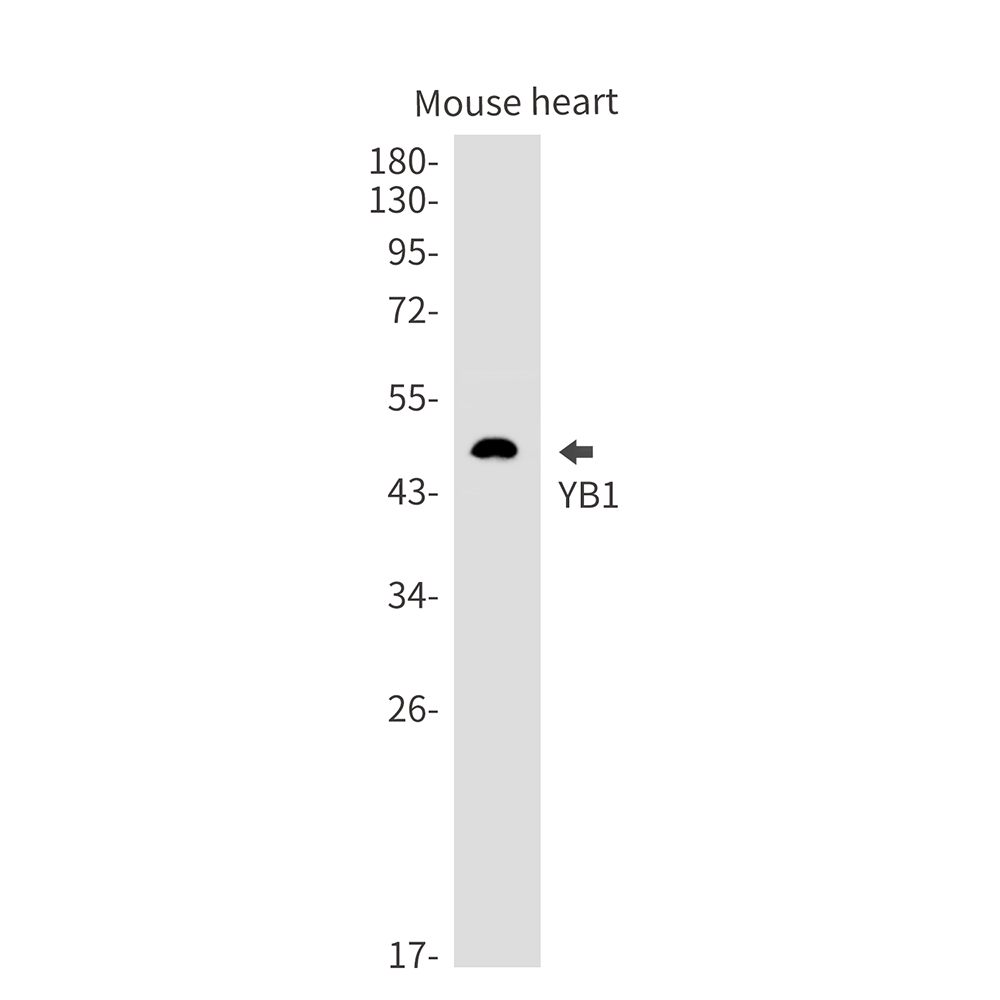

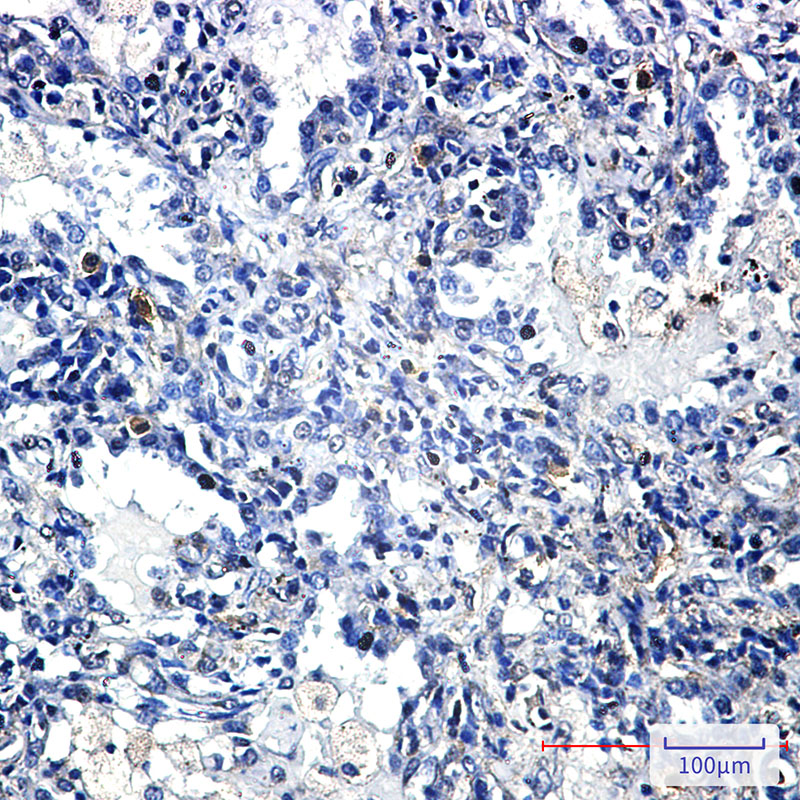
- 产品详情
- 实验流程
- 背景知识
Application 
| WB, IHC-P, IHC-F, FC, IP |
|---|---|
| Primary Accession | P67809 |
| Reactivity | Rat, Human, Mouse |
| Host | Rabbit |
| Clonality | Monoclonal Antibody |
| Isotype | IgG |
| Conjugate | Unconjugated |
| Purification | Affinity Purified |
| Calculated MW | 35924 Da |
| Gene ID | 4904 |
|---|---|
| Other Names | YBX1 |
| Dilution | WB~~1:500-1:1000 IHC-P~~1:50~200 IHC-F~~N/A FC~~1:50-1:100 IP~~1:20-1:50 |
| Format | Liquid in 50mM Tris-Glycine(pH 7.4), 0.15M NaCl, 40%Glycerol, 0.01% sodium azide and 0.05% BSA. |
| Storage | Store at 4°C short term. Aliquot and store at -20°C long term. Avoid freeze/thaw cycles. |
| Name | YBX1 (HGNC:8014) |
|---|---|
| Function | DNA- and RNA-binding protein involved in various processes, such as translational repression, RNA stabilization, mRNA splicing, DNA repair and transcription regulation (PubMed:10817758, PubMed:11698476, PubMed:14718551, PubMed:18809583, PubMed:31358969, PubMed:8188694). Predominantly acts as a RNA-binding protein: binds preferentially to the 5'-[CU]CUGCG-3' RNA motif and specifically recognizes mRNA transcripts modified by C5-methylcytosine (m5C) (PubMed:19561594, PubMed:31358969). Promotes mRNA stabilization: acts by binding to m5C- containing mRNAs and recruiting the mRNA stability maintainer ELAVL1, thereby preventing mRNA decay (PubMed:10817758, PubMed:11698476, PubMed:31358969). Component of the CRD-mediated complex that promotes MYC mRNA stability (PubMed:19029303). Contributes to the regulation of translation by modulating the interaction between the mRNA and eukaryotic initiation factors (By similarity). Plays a key role in RNA composition of extracellular exosomes by defining the sorting of small non-coding RNAs, such as tRNAs, Y RNAs, Vault RNAs and miRNAs (PubMed:27559612, PubMed:29073095). Probably sorts RNAs in exosomes by recognizing and binding C5-methylcytosine (m5C)-containing RNAs (PubMed:28341602, PubMed:29073095). Acts as a key effector of epidermal progenitors by preventing epidermal progenitor senescence: acts by regulating the translation of a senescence-associated subset of cytokine mRNAs, possibly by binding to m5C-containing mRNAs (PubMed:29712925). Also involved in pre-mRNA alternative splicing regulation: binds to splice sites in pre-mRNA and regulates splice site selection (PubMed:12604611). Binds to TSC22D1 transcripts, thereby inhibiting their translation and negatively regulating TGF-beta- mediated transcription of COL1A2 (By similarity). Also able to bind DNA: regulates transcription of the multidrug resistance gene MDR1 is enhanced in presence of the APEX1 acetylated form at 'Lys-6' and 'Lys- 7' (PubMed:18809583). Binds to promoters that contain a Y-box (5'- CTGATTGGCCAA-3'), such as MDR1 and HLA class II genes (PubMed:18809583, PubMed:8188694). Promotes separation of DNA strands that contain mismatches or are modified by cisplatin (PubMed:14718551). Has endonucleolytic activity and can introduce nicks or breaks into double- stranded DNA, suggesting a role in DNA repair (PubMed:14718551). The secreted form acts as an extracellular mitogen and stimulates cell migration and proliferation (PubMed:19483673). |
| Cellular Location | Cytoplasm. Nucleus. Cytoplasmic granule. Secreted. Secreted, extracellular exosome. Cytoplasm, P-body {ECO:0000250|UniProtKB:P62960}. Note=Predominantly cytoplasmic in proliferating cells (PubMed:12604611). Cytotoxic stress and DNA damage enhance translocation to the nucleus (PubMed:14718551) Localized in cytoplasmic mRNP granules containing untranslated mRNAs (PubMed:25229427). Shuttles between nucleus and cytoplasm (PubMed:25229427). Localized with DDX1, MBNL1 and TIAL1 in stress granules upon stress (PubMed:18335541). Secreted by mesangial and monocytic cells after inflammatory challenges (PubMed:19483673) |
For Research Use Only. Not For Use In Diagnostic Procedures.
Provided below are standard protocols that you may find useful for product applications.
BACKGROUND
This gene encodes a highly conserved cold shock domain protein that has broad nucleic acid binding properties. The encoded protein functions as both a DNA and RNA binding protein and has been implicated in numerous cellular processes including regulation of transcription and translation, pre-mRNA splicing, DNA reparation and mRNA packaging. This protein is also a component of messenger ribonucleoprotein (mRNP) complexes and may have a role in microRNA processing. This protein can be secreted through non-classical pathways and functions as an extracellular mitogen. Aberrant expression of the gene is associated with cancer proliferation in numerous tissues. This gene may be a prognostic marker for poor outcome and drug resistance in certain cancers. Alternate splicing results in multiple transcript variants. Pseudogenes of this gene are found on multiple chromosomes. [provided by RefSeq, Sep 2015]

终于等到您。ABCEPTA(百远生物)抗体产品。
点击下方“我要评价 ”按钮提交您的反馈信息,您的反馈和评价是我们最宝贵的财富之一,
我们将在1-3个工作日内处理您的反馈信息。
如有疑问,联系:0512-88856768 tech-china@abcepta.com.


